
Text "Loti" to 833-962-6682 And Receive An Instant 20% Off Code! Dismiss
Skip to contentThis product is intended as a research chemical only. This designation allows the use of this chemical strictly for in-vitro laboratory testing and experimentation. Human or veterinary use is strictly forbidden. This product is not a drug, food or cosmetic and may not be misbranded, mislabeled or misused as such.
| Weight | 0.008125 lbs |
|---|
⚠️ Disclaimer: THIS PRODUCT, SOLD BY LOTI LABS, IS INTENDED AS A RESEARCH CHEMICAL ONLY.
This designation allows the use of this chemical strictly for in-vitro laboratory testing and experimentation. No other uses or purposes are permitted. All information provided on this website is for educational purposes and has been compiled from multiple sources believed to be accurate. Human or animal use of this product is strictly forbidden by law. This product is not a drug, food or cosmetic and may not be misbranded, mislabeled or misused as such. Anyone not adhering to these terms will be blacklisted and forbidden from purchasing.
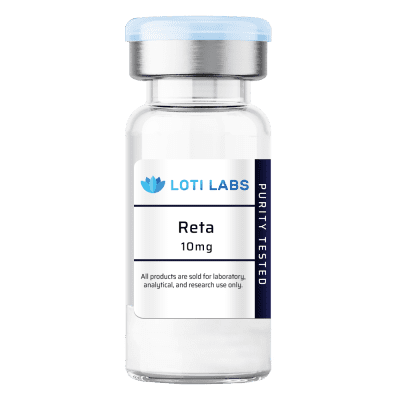
Research into multi-target hormone receptor agonists has been gaining momentum and Reta is a great compound for metabolic research. This triple agonist is a sophisticated way to investigate metabolic pathways by targeting multiple hormone receptors at the same time. For researchers studying metabolic health, weight management and glucose regulation, understanding the properties and applications of this compound is crucial.
Developing Reta as a research tool offers opportunities to explore complex metabolic interactions that single target compounds can’t address. Research shows that triple agonist mechanism may provide insight into comprehensive metabolic regulation making this compound very useful for lab research on obesity, diabetes and related metabolic conditions.
| Aspect | Details |
|---|---|
| Molecular Weight | 4,858 g/mol |
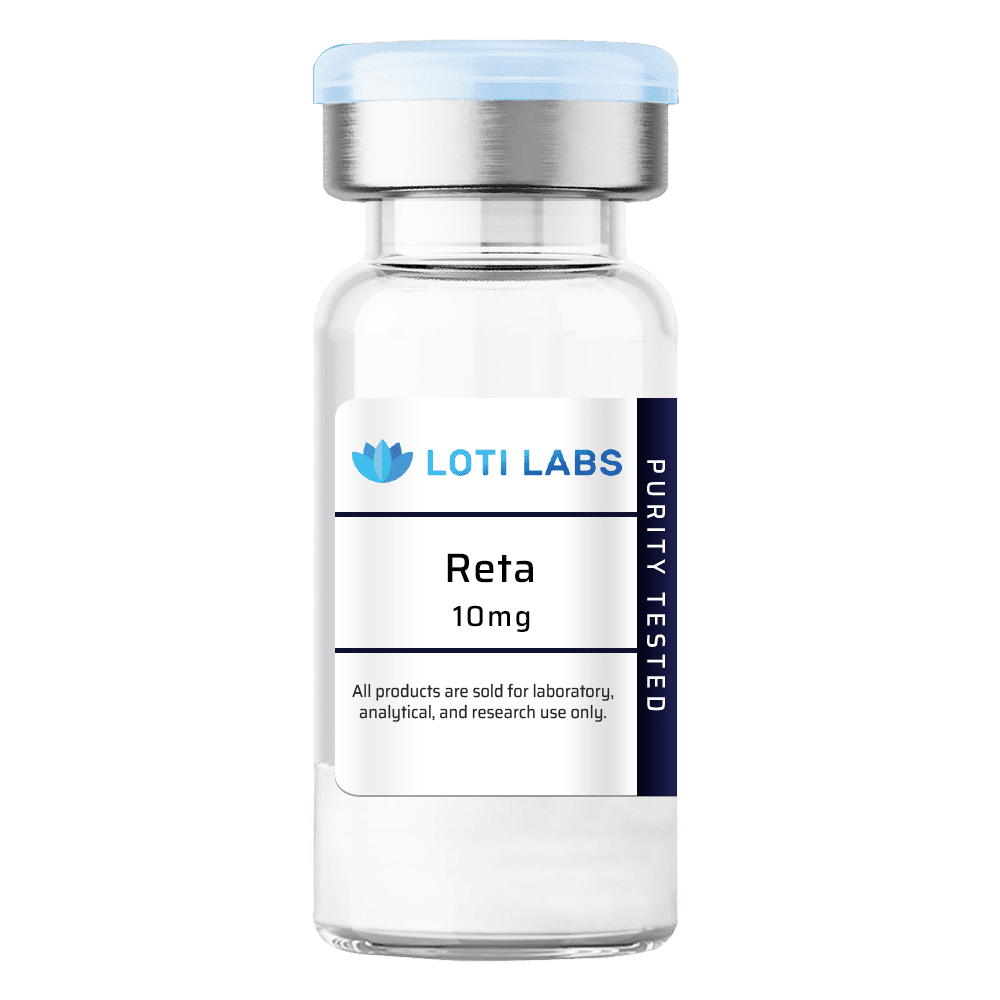
| Formulation | Lyophilized powder in 10mg vials |
| Purity | Exceeds 99% purity for research use |
| CAS Number | 2381089-83-2 |
| Purpose | Designed for research targeting multiple metabolic pathways |
| Stability | Lyophilized form maintains compound integrity during shipping and storage |
| Molecular Design | Structural elements optimize receptor binding and metabolic stability |
| Receptor Interaction | Allows for simultaneous interaction with multiple hormone receptors |
| Significance for Research | Unique identifier for referencing in chemical and pharmacological databases; meets lab standards |
Reta is a triple agonist targeting three different metabolic hormone receptors, a great tool for researchers to study metabolic regulation. The compound has high affinity for the glp 1 receptor with an EC50 of 0.0643 nM, perfect for research on glucose dependent insulinotropic mechanisms and appetite suppression pathways.
Also targets the glucose dependent insulinotropic polypeptide (GIP) receptor with an EC50 of 0.775 nM. Research shows that GIP receptor activation in lab models affects insulin sensitivity and fat burning mechanisms, very useful for metabolic health research. The glucagon receptor is the third target with an EC50 of 5.79 nM, where research indicates involvement in energy expenditure and lipid metabolism pathways.This multi-receptor approach allows researchers to see how simultaneous activation of these receptors affects metabolic processes. The triple agonist mechanism offers unique research opportunities compared to compounds targeting individual receptors, to study synergistic effects across metabolic pathways. Research shows that this comprehensive targeting approach may provide insight into weight loss mechanisms, glycemic control pathways and appetite regulation systems.
The receptor agonist properties of Reta makes it perfect for researchers studying metabolic interactions. Each receptor target contributes to metabolic regulation in different ways and research shows that their combined activation creates complex metabolic responses worth of detailed lab research.
Current research on Reta has focused on metabolic disorder research, with studies on weight management, glucose levels regulation and thermogenic activity in lab models. Phase 2 research conducted by investigators has provided valuable data on the compound’s effect in different experimental conditions.
Research published in peer reviewed journals, including findings in new england journal of medicine shows significant weight loss in lab studies. Researchers continue to investigate the compound’s effects across multiple metabolic pathways.
Researchers have also investigated the compound’s effect on blood sugar control in lab models. Studies show that Reta administration resulted to improved glycemic control, with research data showing reduction in glucose levels and increased insulin sensitivity. The compound’s effect on appetite mechanisms has been another area of research focus, with studies on how the triple agonist affects eating behaviors and appetite suppression pathways.
Other research areas include investigation on the compound’s effect on metabolic health markers. Research shows that Reta affects multiple metabolic parameters at the same time, making it a great tool for researchers studying comprehensive metabolic regulation. The compound’s potential in research extends to liver fat reduction, cardiovascular markers and lipid metabolism pathways.
Researchers studying obesity mechanisms found Reta very useful because of its multi-target approach. The compound’s ability to affect multiple metabolic pathways at the same time provides researchers opportunities to study complex metabolic interactions that single target compounds can’t address.
Proper storage protocols are crucial for maintaining Reta integrity in research setting. The lyophilized powder should be stored at -20°C or below, protected from light and moisture to prevent degradation and preserve peptide activity. This freezer storage requirement ensures that researchers can store compound for extended period.
After reconstitution with sterile solvents, the compound should be stored at 2°C to 8°C. Research laboratories must follow proper storage protocols to ensure experimental reproducibility. The reconstituted compound should be used within manufacturer-specified time frame to maintain research quality.
Laboratory safety protocols require researchers to handle Reta with appropriate personal protective equipment, including gloves, laboratory coats and protective eyewear. Contamination prevention is crucial when working with this research compound. Proper disposal procedure for unused material and laboratory equipment must be followed to maintain laboratory safety standards.
Temperature monitoring is important throughout the storage process. Research facilities should maintain documented temperature logs for both freezer storage of lyophilized material and refrigerated storage of reconstituted compound. These records are important for research quality and experimental validity.
Researchers should note that environmental factors such as light exposure and moisture can affect compound stability. Laboratory protocols should include measures to minimize exposure to these degradation factors during storage and experimental use.
Loti Labs is an authorized, GMP-compliant supplier of research-grade Reta, providing researchers with reliable access to quality peptides for their research. We offer competitive pricing and bulk discount for research institutions and laboratories doing metabolic research.
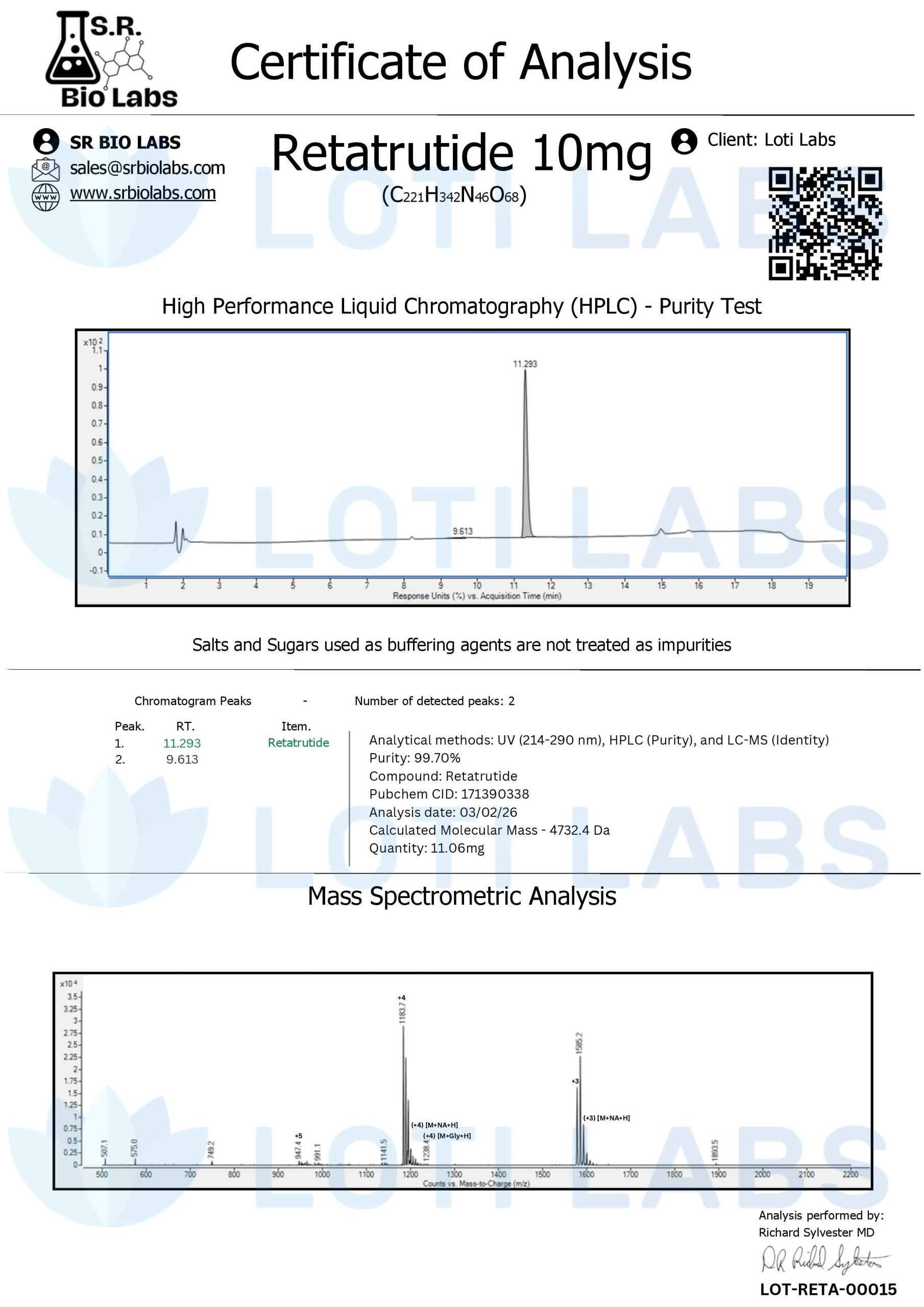
Each batch of Reta from Loti Labs comes with comprehensive Certificate of Analysis documentation. This batch-specific testing data is important for researchers who need detailed compound characterization for their research. The documentation includes purity verification, identity confirmation and relevant analytical data that researchers need for experimental planning and regulatory compliance.
Our manufacturing process follows GMP standards so researchers can get consistently high quality material for their research. This consistency is important for researchers doing long term studies or multi-phase research projects where compound variability can affect experimental outcome.
Research institutions benefit from our understanding of laboratory requirements. We focus on research applications so our products and services are designed to meet the needs of researchers not multiple market segments with different requirements.Quality control includes HPLC testing to verify purity and identity of each batch. This third-party testing provides researchers with independent verification of compound quality for experimental validity and research reproducibility.
All products from Loti Labs are research chemicals for laboratory use only. This means researchers can use these compounds only for in-vitro laboratory testing and controlled experimentation. Human or veterinary use is strictly prohibited under this research use designation.
Researchers must understand that these products are not for therapeutic use and cannot be used outside of controlled laboratory environment. The research use designation ensures that compounds are used within scientific investigation framework rather than for unauthorized use.
The compound is not a therapeutic substance, food product or cosmetic material and cannot be repurposed or relabeled for such use. Researchers are responsible to ensure their use of Reta complies with all research use regulations and institutional protocols.
Laboratory personnel must maintain proper documentation of the intended research use of these compounds. This documentation is important for regulatory compliance and to ensure research is within approved parameters.
Research institutions should have mechanism in place to ensure personnel understand and comply with research use restrictions. This protects both researchers and institutions from regulatory issues.
Loti Labs has a fast shipping schedule to support time-sensitive research. Orders placed before 1pm EST Monday to Friday are shipped same day, so researchers with urgent experimental needs can get their compounds quickly.
Orders placed after 1pm EST or during weekends are shipped next business day. This allows researchers to plan their experiments and projects.
Our shipping protocol includes proper packaging to maintain compound stability during transport. Temperature-controlled shipping options are available for researchers who need specific environmental condition during delivery.
Tracking information is provided for all shipments so researchers can track the delivery and plan for compound arrival. This transparency helps laboratory scheduling and ensures research personnel are prepared for compound arrival.
Loti Labs offers 30-day money back guarantee for all research products. Researchers can return unopened products for full refund of the purchase price, so they can be confident with their product selection and quality.
This guarantee reflects our commitment to support research and ensure researchers get the products they need for their research. It recognizes that research needs can change and provides flexibility for research planning.Return process is simple and minimizes administrative burden on research personnel. Our customer service team is available to answer any product related questions or concerns.
The guarantee is for unopened products only, so returned materials will be in their original condition for potential reuse in other research applications.
Every batch of Reta is tested by third party using HPLC method to verify purity and identity. This independent verification gives researchers confidence in compound quality and experimental reproducibility.
The testing protocol checks multiple parameters including purity levels, identity confirmation and contaminant detection. This is important for researchers who need detailed compound characterization for their research.
Third party testing results are included in batch documentation so researchers can verify compound specifications independently. This transparency supports research quality and allows researchers to make informed decision on compound suitability for their use.
HPLC analysis is industry standard method for peptide characterization so test results are comparable across different research applications and institutions.
Regular testing ensures researchers get high quality material regardless of when they order. This is particularly important for long term research projects that require multiple compound purchases over extended period.
Retatrutide is classified as a triple receptor agonist, targeting GLP-1 (glucagon-like peptide-1), GIP (glucose-dependent insulinotropic polypeptide), and glucagon receptors simultaneously. This mechanism distinguishes retatrutide from dual agonists such as tirzepatide (GLP-1/GIP) and single agonists such as semaglutide (GLP-1).
GLP-1 receptor agonism promotes insulin secretion, suppresses glucagon release, and slows gastric emptying. These combined effects support glucose regulation and appetite modulation in preclinical research models.
GIP receptor co-agonism enhances insulin secretion in a glucose-dependent manner and may reduce gastrointestinal effects associated with standalone GLP-1 agonists. Research models also implicate GIP activity in adipose tissue regulation.
Glucagon receptor agonism increases energy expenditure and hepatic glucose output. Research suggests glucagon activity may amplify metabolic effects observed with GLP-1/GIP co-agonism, particularly in lipid metabolism and hepatic steatosis models.
The table below compares key mechanism characteristics across the major GLP receptor agonist classes currently under investigation or approved for clinical use.
| Compound | Receptor Targets | Agonist Class | Primary Research Application |
|---|---|---|---|
| Retatrutide | GLP-1 / GIP / Glucagon | Triple agonist | Metabolic research, energy expenditure models |
| Tirzepatide | GLP-1 / GIP | Dual agonist | Glucose regulation, adiposity research |
| Semaglutide | GLP-1 | Single agonist | Glucose regulation, appetite suppression research |
As of 2026, retatrutide holds Investigational New Drug (IND) status and has not received FDA approval for any indication. It is available exclusively for preclinical and laboratory research purposes.
This compound is supplied for research purposes only. Not for human use. No claims are made regarding safety or efficacy in humans.
For researchers studying metabolic pathways and hormone receptor interactions, Reta is a research tool with triple agonist properties. The compound can target multiple metabolic receptors at the same time which offers research opportunities that single target compound cannot. With high purity specifications, comprehensive documentation and reliable sourcing through authorized supplier like Loti Labs, researchers can get quality peptides that meet laboratory standards.
The research applications of this compound is expanding as scientists explore its use in different metabolic research. From weight management to glucose regulation research, Reta is a tool for researchers to study complex metabolic interactions. The compound is promising in research setting so it’s an important addition to laboratory compound library focused on metabolic research.
Research institutions looking to buy Reta 10mg for their metabolic research can benefit from working with established supplier who understand research requirements and maintain quality standards. The combination of compound quality, documentation and service ensures researchers can focus on their research rather than procurement challenges.
Retatrutide is a synthetic unimolecular peptide designed to target three distinct nutrient-stimulated hormone receptors: the glucose-dependent insulinotropic polypeptide (GIP) receptor, the glucagon-like peptide-1 (GLP-1) receptor, and the glucagon receptor (GCGR). This triple agonist mechanism represents a significant evolution in research pharmacology, as it expands upon the dual-agonist approach. The compound exhibits a specific potency hierarchy, engineered to be a highly potent GIP receptor agonist while maintaining balanced activity across the GLP-1 and glucagon receptors. This specific recruitment of the glucagon receptor is a primary focus in metabolic research, as it is hypothesized to stimulate hepatic lipolysis and increase metabolic rate through thermogenesis.
Research into the tissue-specific expression of these receptors reveals the compound’s multifaceted influence across different physiological systems. For instance:
By integrating GCGR agonism, researchers can investigate how the compound manages the potential glucose-elevating effects of glucagon through the insulinotropic actions of GIP and GLP-1. This pharmacological “balancing act” is vital for understanding how triple agonists maintain glycemic stability while simultaneously promoting energy expenditure.
The structural integrity of the 10mg research peptide is defined by sophisticated molecular engineering designed to enhance metabolic stability and prolong bioavailability. The backbone of the compound is modified with non-proteogenic amino acids, such as 2-aminoisobutyric acid (Aib) at positions 2 and 20, and alpha-methyl-L-leucine (MeL). These specific alterations are critical for researchers to understand, as they provide robust resistance against enzymatic degradation by dipeptidyl peptidase-4 (DPP-4), an enzyme that typically cleaves natural incretin hormones within minutes. This stabilization ensures that the peptide remains intact long enough to achieve its intended pharmacological interactions in a laboratory setting.
To further extend its pharmacokinetic profile, the peptide includes a C20 fatty diacid moiety attached via a linker to a lysine side chain. This acylation allows the compound to bind reversibly to endogenous albumin, creating a “reservoir” effect in the bloodstream. This mechanism significantly extends the half-life of the molecule to approximately six days, facilitating a sustained release profile that is ideal for long-term observation in research models. Currently categorized as an Investigational New Drug (IND), the compound is strictly for research use. The regulatory roadmap indicates that the current Phase 3 developmental cycle is projected to conclude in early 2026. Until then, it remains a valuable tool for studying the synergy between GIP, GLP-1, and GCGR pathways within controlled scientific environments.
{
“@context”: “https://schema.org”,
“@type”: “FAQPage”,
“mainEntity”: [
{
“@type”: “Question”,
“name”: “What is Retatrutide 10mg used for in research?”,
“acceptedAnswer”: {
“@type”: “Answer”,
“text”: “Retatrutide 10mg is a research-grade compound for laboratory studies examining triple receptor agonism (GIP, GLP-1, glucagon). It is used in preclinical metabolic research and is not approved for human clinical use.”
}
},
{
“@type”: “Question”,
“name”: “How does Retatrutide 10mg differ from GLP-1 single agonists in research models?”,
“acceptedAnswer”: {
“@type”: “Answer”,
“text”: “Unlike single GLP-1 agonists such as semaglutide, Retatrutide simultaneously targets GIP, GLP-1, and glucagon receptors. Research indicates this triple mechanism may produce distinct metabolic effects including differences in hepatic fat regulation and energy expenditure u2014 making it useful for comparative receptor pathway studies.”
}
},
{
“@type”: “Question”,
“name”: “What TRIUMPH trial data is available for Retatrutide?”,
“acceptedAnswer”: {
“@type”: “Answer”,
“text”: “The TRIUMPH Phase 3 program (including NCT05579782) is investigating retatrutide across multiple metabolic conditions. Phase 2 data published in the New England Journal of Medicine (2023) reported significant effects at the 12mg cohort over 48 weeks. Phase 3 results are pending.”
}
},
{
“@type”: “Question”,
“name”: “Is Retatrutide 10mg safe for human use?”,
“acceptedAnswer”: {
“@type”: “Answer”,
“text”: “No. Retatrutide 10mg from Loti Labs is for in vitro and preclinical laboratory research only. It is not FDA-approved and should not be administered to humans or animals outside of an approved research protocol.”
}
},
{
“@type”: “Question”,
“name”: “What purity standards does Loti Labs use for Retatrutide 10mg?”,
“acceptedAnswer”: {
“@type”: “Answer”,
“text”: “Loti Labs Retatrutide 10mg undergoes third-party HPLC testing with u226598% purity verification. Each batch includes a certificate of analysis (CoA) documenting identity, purity, and concentration for research documentation purposes.”
}
}
]
}
$55.99 - $69.99
You save
$79.99 - $99.99
You save
$19.99 - $24.99
You save
$23.99 - $29.99
You save
$119.99 - $149.99
You save
$39.99 - $49.99
You save
$79.99 - $99.99
You save
$26.39 - $32.99
You save
Support when you need it. Perks when you want them.
Talk to a real person or sign up for early access to new compounds.
$39.99 - $49.99
You save
$39.99 - $49.99
You save
$39.99 - $49.99
You save
$79.99 - $99.99
You save
$71.99 - $89.99
You save
$71.99 - $89.99
You save
$31.99 - $39.99
You save
$23.99 - $29.99
You save
$63.99 - $79.99
You save
$63.99 - $79.99
You save
$55.99 - $69.99
You save
$59.99 - $74.99
You save
$47.99 - $59.99
You save
$31.99 - $39.99
You save
$31.99 - $39.99
You save
$59.99 - $74.99
You save
$1.59 - $1.99
You save
$28.79 - $35.99
You save
$31.99 - $39.99
You save
$31.99 - $39.99
You save
$31.99 - $39.99
You save
$39.99 - $49.99
You save
$39.99 - $49.99
You save
$47.99 - $59.99
You save